Give Your Optimizely Devs (and Agents) Visual Guardrails to Prevent Bugs. Save your spot for the Oct. 29th webinar

Give Your Optimizely Devs (and Agents) Visual Guardrails to Prevent Bugs. Save your spot for the Oct. 29th webinar
The hardest part of moving to Playwright isn’t the rewrite, it’s unlearning how your tests used to work.
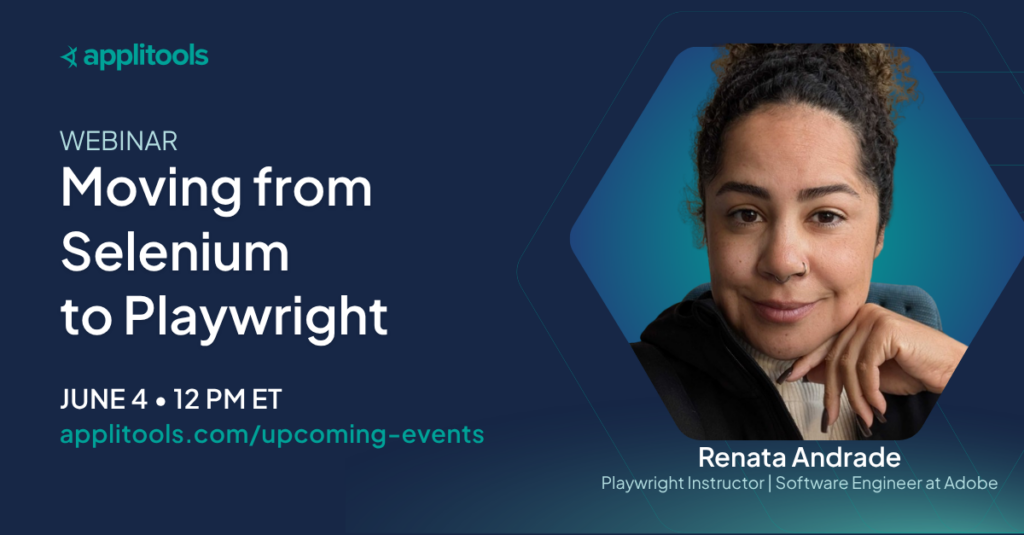
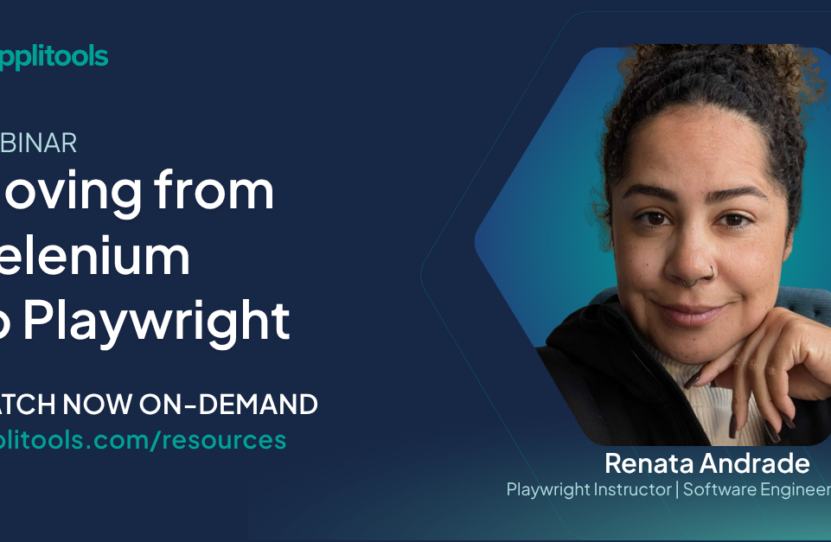
In this session, Renata Andrade, Playwright instructor and Software Engineer at Adobe, walks through a real migration, starting with a structured evaluation and decision process, then showing what actually changed as the team moved from Selenium to Playwright. Rather than comparing features, she focuses on the architectural differences that drive a different testing model, and why teams run into trouble when they try to carry old patterns forward.
The session features side-by-side code comparisons showing how Playwright built-ins like auto-waiting, fixtures, and trace tooling eliminate Selenium’s complex setup and boilerplate. You will explore how AI aids migration, the limitations of traditional screenshot comparison, and the benefits of AI-based visual testing. Finally, it examines the shift to writing native Playwright code and its positive impact on test maintainability.
Key takeaways:
The hardest part of moving to Playwright isn’t the rewrite, it’s unlearning how your tests used to work.
In this session, Renata Andrade, Playwright instructor and Software Engineer at Adobe, walks through a real migration, starting with a structured evaluation and decision process, then showing what actually changed as the team moved from Selenium to Playwright. Rather than comparing features, she focuses on the architectural differences that drive a different testing model, and why teams run into trouble when they try to carry old patterns forward.
The session features side-by-side code comparisons showing how Playwright built-ins like auto-waiting, fixtures, and trace tooling eliminate Selenium’s complex setup and boilerplate. You will explore how AI aids migration, the limitations of traditional screenshot comparison, and the benefits of AI-based visual testing. Finally, it examines the shift to writing native Playwright code and its positive impact on test maintainability.
Key takeaways:
Applitools works with 50+ major testing frameworks and languages, source code and CI/CD tools, and more.
See it in action with your tech stack during a personalized demo.

Software Engineer, Adobe – Automation Frameworks Team • Playwright Instructor
Renata Andrade is an experienced Software Quality Engineer who is passionate about solving complex challenges. Originally from Brazil and now living in San Francisco, California, she loves innovation and inspiring people. After many years of actively contributing to the Brazilian IT community, she now shares content and experiences and mentors people around the world.