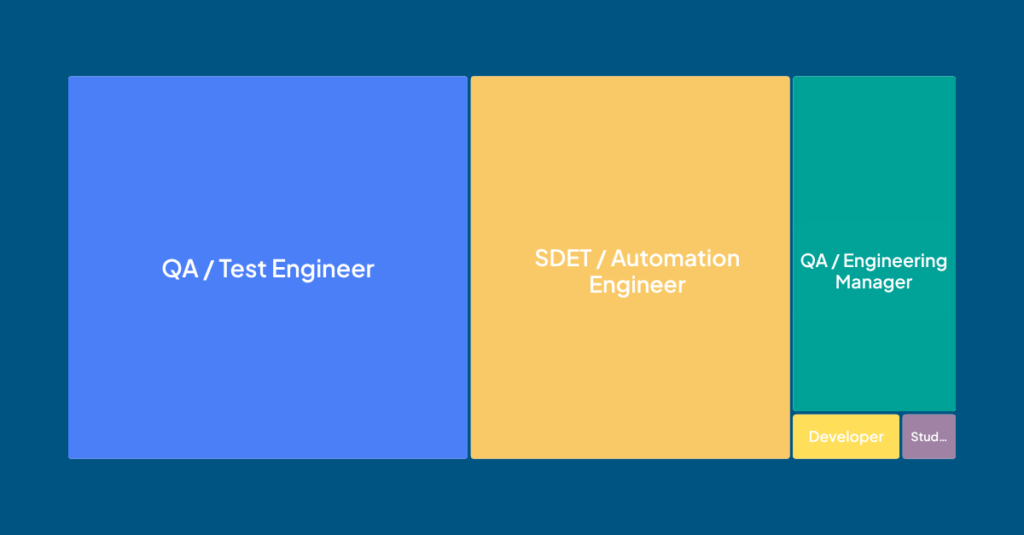
When we opened the 2026 Test Automation University Learner Survey, we expected feedback about tool preferences and video lengths. Instead, practitioners and engineering leaders at all different career points flooded our data with raw, unvarnished insights about what it actually takes to survive and grow in software today.
We didn’t just pass these numbers through our AI robot. We read every open-ended comment, and one response from an experienced QA Engineer perfectly captured the quiet anxiety running through the industry right now:
“I want to learn to use AI tools so I won’t be replaced by AI tools.”
The truth is, that is a valid fear.
The pace of software delivery has broken past traditional testing frameworks, and simply knowing how to write basic automated scripts is no longer a career safety net. But the data from this survey shows that the way to stay irreplaceable isn’t just about learning how to write better AI prompts—it’s about changing how we think about quality altogether.
What We Observed: The Battle Against Slop Code
The data shows that AI has completely moved past the hype cycle into daily production environments. Nearly 70% of our community is already using AI tools regularly or actively running experiments with them inside their workflows.
But practitioners are quickly running into the structural limitations of generic AI code generation. As one participant noted, the real goal right now is a “greater understanding of how to use AI for automation without it generating slop code.”
“We are looking at how we can start to understand how AI can help testing, while not losing the benefits of being a tester as opposed to a developer.”
Practitioners aren’t hunting for superficial tutorials. They are trying to figure out a real “quality strategy in the face of increased velocity due to AI” and trying to find “the right edge between AI automation and human oversight.”
The Paradox: Fixing The Fundamentals To Move Faster
As we analyzed the responses, something interesting emerged. Senior practitioners are feeling intense pressure to master complex trends, with one leader noting the stress of “balancing leadership and maintaining proper knowledge with changing automation & AI trends.” Yet, while everyone is trying to figure out how to transition to a “QA resource architect with AI,” their biggest daily roadblocks remain the absolute engineering fundamentals.
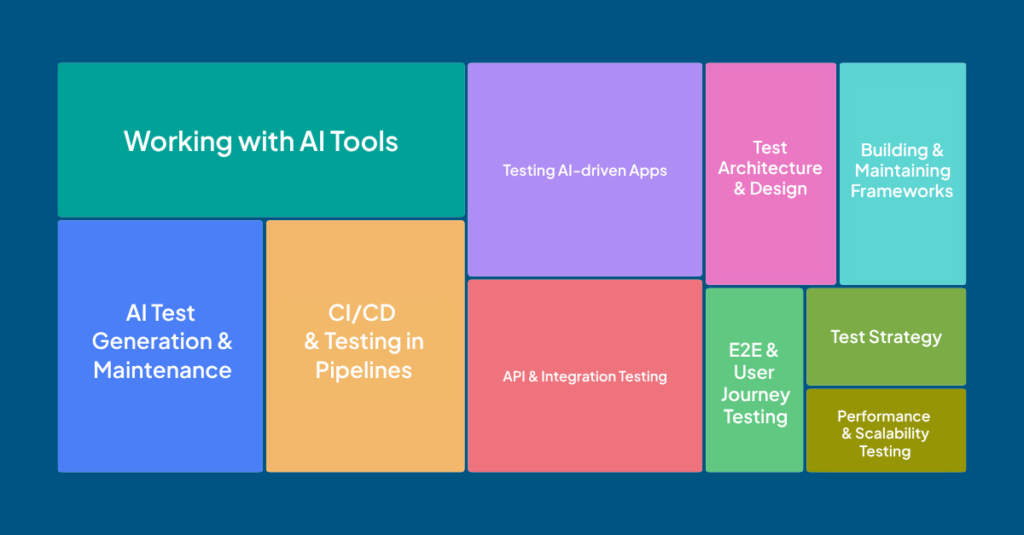
The tension is clear: you cannot build a reliable, fast-moving AI testing workflow if your underlying test environments, data strategies, and pipelines are brittle or flaky.
Our Roadmap: Building Skills Beyond The Script
The shift away from writing individual scripts toward understanding orchestration, design, and architecture came directly from your survey feedback. The clear theme was that simply knowing the mechanics of a specific tool matters far less than knowing how to build and maintain a resilient testing setup.
As one mid-career participant clearly put it when defining the next phase of their career goals:
“Becoming a stronger end-to-end QA automation engineer capable of designing scalable, production-ready testing ecosystems, not just writing automated tests.”
That is exactly where Test Automation University is headed.
Getting to that next level doesn’t mean chasing every tool trend. It means mastering the foundations, patterns, and workflows required to deliver quality products in this next phase of AI-driven development. Our upcoming content is designed to give you exactly that structural depth.
Fresh Content Driven by Real Needs
In direct response to your survey rankings, we’re excited to share two courses that are officially in the works:
- Playwright & Agentic AI: Building Autonomous Test Frameworks
- Building Custom MCP Servers for Quality Engineering
We are also working with instructors—both new and TAU alum—to update some of our existing courses and bring new courses to you. In the meantime, our latest course, Master BDD with Reqnroll by Bas Dijkstra, skips the theory. It drops you directly into a practical loan application service repository that you can tear apart, run locally, and apply to your real pipelines today.
Fixing the Foundations and Spotlighting Your Success
We also know that learning gets frustrating when the technology gets in the way. A small team is working in the background to sweep out the dust—fixing broken links, updating outdated steps, and tackling site issues so your learning experience stays smooth.
You also said that our community forum is valuable and asked for “greater visibility for learner success stories, open-source contributions, and community projects.” We want to start carving out space for that. Moving forward, we are looking at ways to use our Slack channels and Ask Me Anything sessions to highlight real-world workflows, giving people an optional space to share what they are working on and how they applied their knowledge.
Our answer to the AI shift is simple: We aren’t going to let you get left behind.
Keep the Suggestions Coming
If you have an idea for a new course topic, feedback on how we can make the platform better, or a stubborn pipeline block you are trying to break through right now? Head over to the TAU Slack, and drop it into the #ask-tau channel.
Have you built an internal pipeline guardrail, an open-source tool, or a custom workflow pattern that stops AI assistants from pushing messy code into your repositories? Share your setup or drop a link to your project in #check-this-out.
Let’s start highlighting what real engineering looks like in practice to help drive what’s next.